
FEASIBILITY FIRST: PLANNING A GRANNY FLAT THE RIGHT WAY
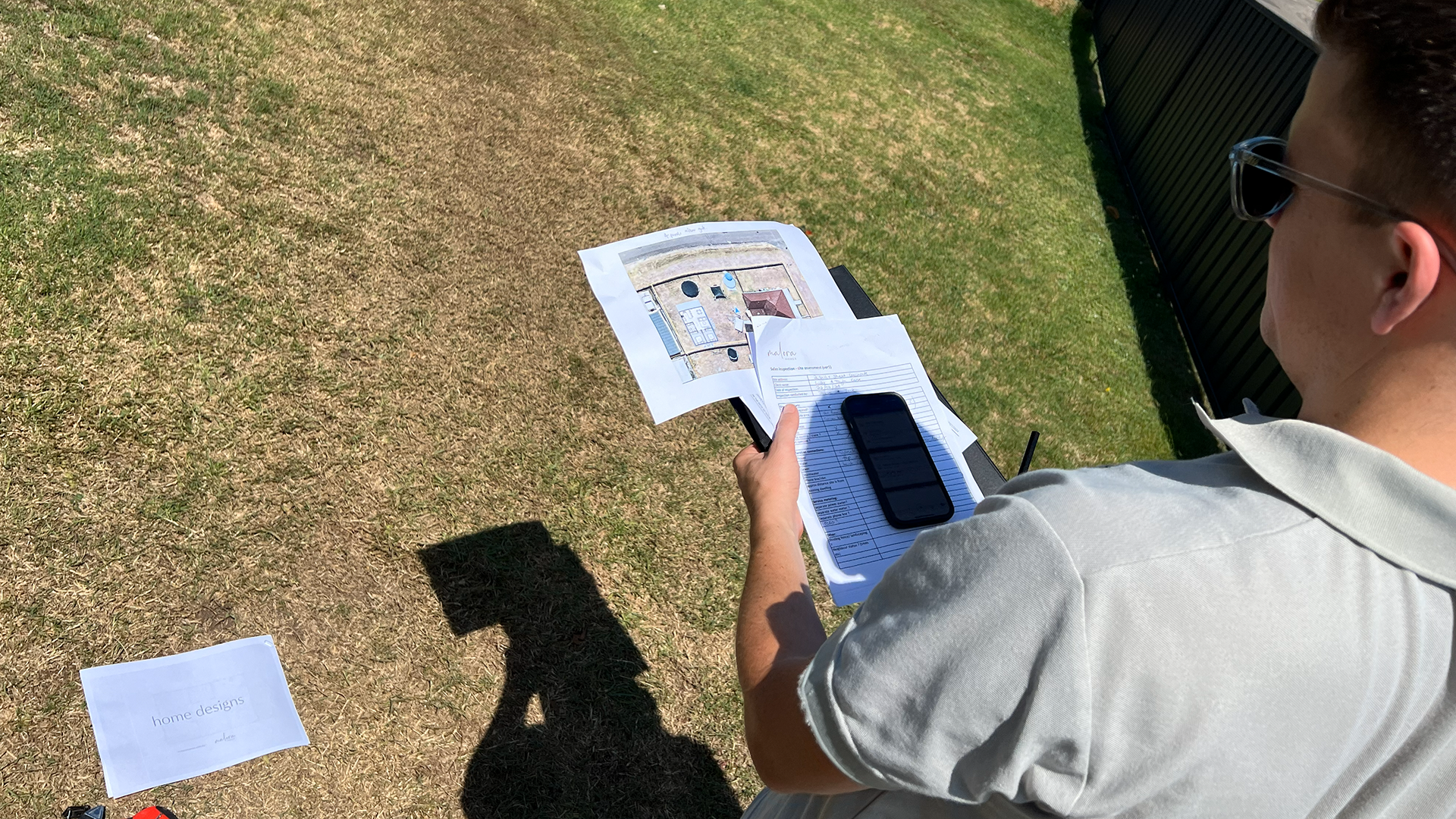
A granny flat can look straightforward on paper: a compact second home in the backyard, built for family or as a rental. In reality, the best outcomes usually come from doing the 'boring' work first; that is, confirming what your site can support, and which approvals pathway is most likely.

If you’re in NSW (including Newcastle and the Hunter), this feasibility-first approach can save you time, reduce redesigns, and help you make decisions with confidence.
Why granny flats are getting so much attention
Across Australia, more homeowners are looking at secondary dwellings for practical reasons: housing flexibility, changing family needs, and the desire to make better use of land they already own. But popularity doesn’t remove complexity. A granny flat is still a building project with rules, constraints, and costs, and those variables can change dramatically from one property to the next.
Step 1: Start with purpose (because it changes the design)
Before you talk floorplans, be clear on the job your granny flat needs to do.
Common goals include:
Family living: a parent, adult child, or extended family member living close-by with independence.
Future flexibility: guest space now, potential rental later.
Investment use: a separate dwelling designed to appeal to long-term tenants.
Work-from-home space: a dedicated office/studio (sometimes with different requirements than a fully self-contained dwelling).
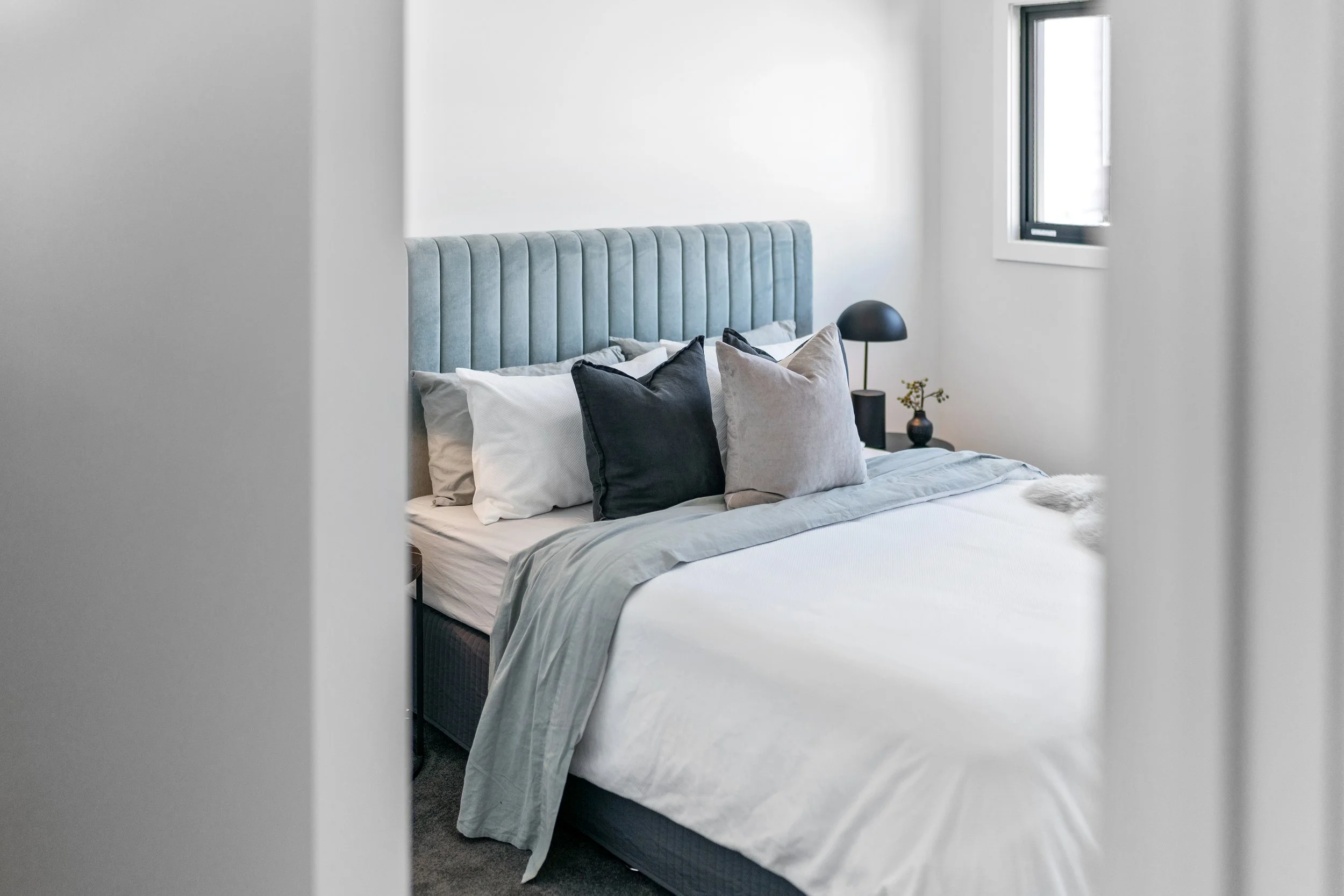
Your purpose affects everything: privacy needs, storage, entry design, outdoor space, and even how you plan services.
Step 2: Feasibility is not a formality, it’s the foundation
Feasibility is where you confirm whether the project is likely to be simple, or whether it needs careful design work to avoid delays.
A good feasibility check typically looks at:
1) Access and buildability
Can trades and materials access the build area?
Is there enough room for construction without major disruption?
Are there existing structures that complicate placement?
2) Services and connections
Where will sewer/stormwater run?
Is there existing capacity for electrical upgrades if needed?
What’s the practical path for water connections?
Even if something is “possible,” the cost and complexity can vary. Knowing early helps you plan realistically.
3) Site constraints (the hidden project drivers)
In many NSW areas, constraints can include:
Flood considerations.
Bushfire requirements.
Mine subsidence (relevant in parts of the Hunter).
Heritage or conservation controls.
Slope and drainage behaviour.
Constraints don’t automatically mean “no.” They often mean “design and approvals need to be handled carefully.”

Step 3: Approvals pathway - CDC vs DA (and why it matters)
In NSW, the approvals pathway can influence timeframes, documentation requirements, and how much design flexibility you have. Two common pathways are:
CDC (Complying Development Certificate): a streamlined pathway for projects that meet specific standards.
DA (Development Application): a council-assessed pathway, often used when a site or design doesn’t fit the complying criteria.
The key point: you don’t “choose” CDC or DA based on preference ,your site and proposal determine what’s realistic. A feasibility-first process helps you identify early whether you’re likely to suit CDC, or whether DA is more appropriate.

Step 4: Design for independence (even if it’s for family)
One of the biggest mistakes we see is treating a granny flat like a “spare room out the back.” The best-performing secondary dwellings are designed like a real home.
Focus areas that make a big difference:
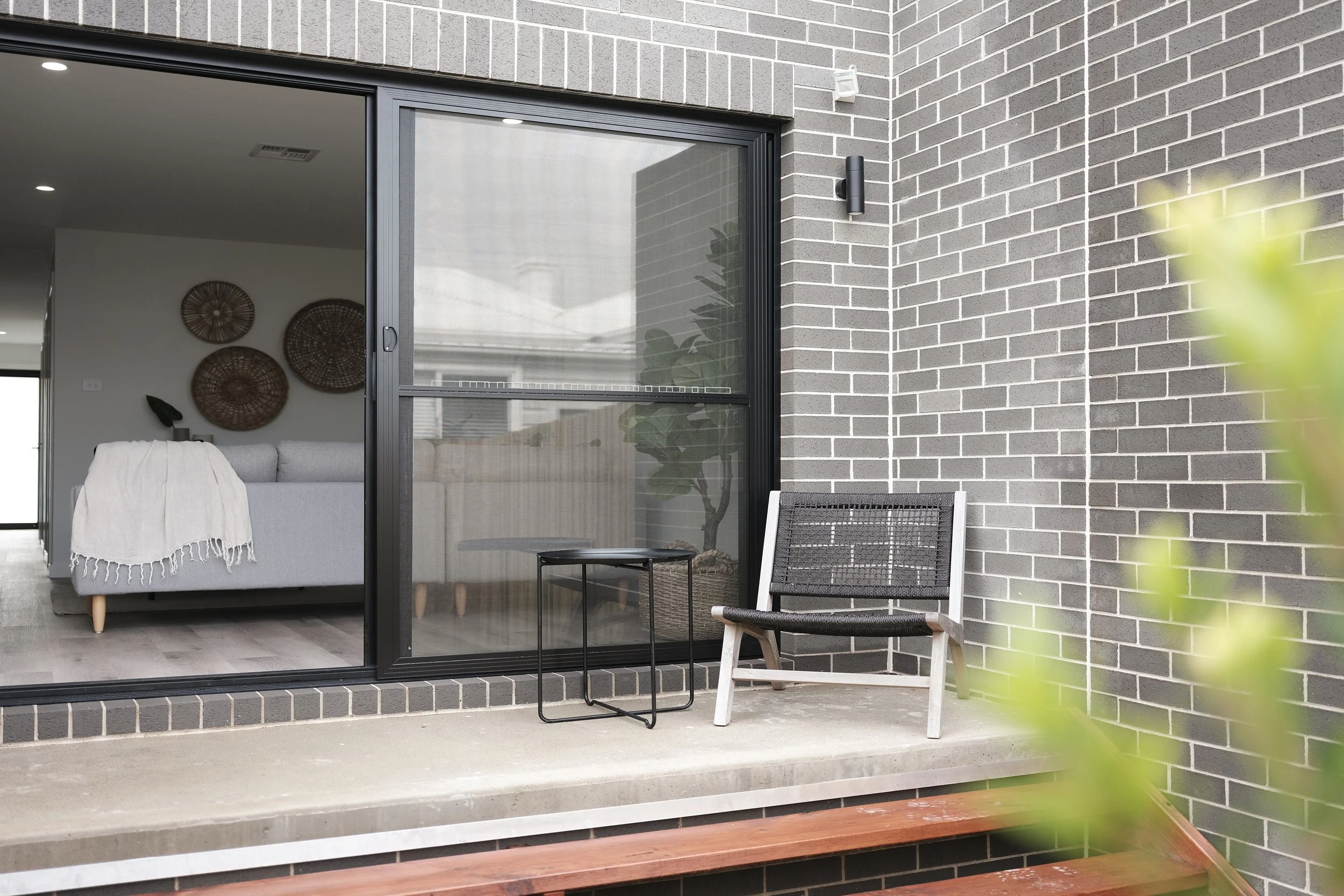
Privacy: window placement, screening, fencing, and separation from the main dwelling.
Entry experience: a clear path and a sense of independence.
Storage: practical storage is a liveability multiplier in compact homes.
Natural light and ventilation: small spaces feel larger when light is handled well.
Noise separation: thoughtful layout reduces friction for both households.
If you might rent the granny flat in future, these details become even more important for long-term tenant appeal.
Step 5: Budgeting - think in ranges, not single numbers
Costs vary widely based on inclusions, site works, and constraints. Two projects with the same floor area can have very different total costs once you factor in:
Service connections.
Drainage solutions.
Earthworks or retaining.
Compliance requirements tied to the site.
A feasibility-first approach helps you avoid budgeting off a generic figure that doesn’t match your property.

Step 6: The “avoid regrets” checklist
Before you commit to a plan or a contract, make sure you’ve worked through:
What the granny flat is for now, and what it might be used for later.
Where services will run and what upgrades may be required.
Any known constraints (and what they mean for design).
The likely approvals pathway (CDC vs DA).
How privacy and independence will be achieved.
A realistic budget range (including site-specific costs).

A note on renting, tax and legal structure
If your plan includes renting the granny flat, it’s worth getting independent advice early. Tax outcomes can vary depending on how the property is used and how income is generated.
This article is general information only and doesn’t replace financial, tax or legal advice.
The simplest next step
If you’re considering a granny flat in Newcastle or the Hunter, the most useful first move is a feasibility check. It gives you clarity on what your site can support, what pathway is likely, and what design approach will suit your goals.
Book a feasibility check with Malora Homes.
Click here to contact Malora Homes for an obligation-free site inspection.